Most brick sealing failures in Sydney happen before the sealer even touches the wall. The right product applied to the wrong surface, or a mediocre sealer chosen because the homeowner didn’t know what questions to ask – finding the best brick sealing Sydney near you isn’t about proximity; it’s about understanding what your masonry actually needs.
Finding the best brick sealing Sydney near you means matching the right breathable sealer to your specific brick type, preparing the surface properly, and knowing when sealing will do more harm than good. A penetrating sealer that works for modern wire-cut bricks can trap moisture in heritage hand-pressed stock, accelerating spalling instead of preventing it.
Key Takeaways
- Not all brick types should be sealed – heritage masonry often requires breathable treatments or no sealing at all
- Surface preparation determines sealer performance more than the product itself
- Penetrating sealers outperform film-forming products for Australian climates
- Painted or heavily soiled brickwork requires specialised cleaning before any sealer application
- Professional assessment prevents costly mistakes that can permanently damage historic brickwork
Understand Your Brick Type Before You Seal Anything
Modern extruded bricks and century-old hand-pressed stock bricks behave completely differently under sealing. Wire-cut bricks from the 1970s onward are dense and uniform – they handle most sealers without issue. Heritage masonry is another matter entirely.
Hand-pressed bricks absorb and release moisture through their entire surface. Applying a non-breathable sealer to these walls traps moisture inside, where freeze-thaw cycles or salt crystallisation cause spalling from within. A homeowner who seals Federation-era brickwork with a standard acrylic sealer may see surface protection for a time, then watch the brick faces crack and flake as trapped water expands.
Identifying your brick type determines whether you need a penetrating silane/siloxane sealer, a breathable silicate treatment, or no sealing at all. Heritage structures in Sydney’s inner suburbs – Balmain, Glebe, Newtown – often perform best with targeted repointing rather than wholesale sealing.
| Brick Type | Age | Sealing Recommendation |
|---|---|---|
| Hand-pressed stock brick | Pre-1930 | Breathable silicate or no sealer; assess mortar first |
| Wire-cut clay brick | 1950-present | Penetrating silane/siloxane sealer |
| Concrete or calcium silicate brick | 1960-present | Water-repellent breathable sealer only |
| Sandstock or colonial brick | Pre-1900 | No sealer; lime repointing and maintenance only |
Penetrating vs Film-Forming: Which Sealer Chemistry Works in Sydney
Film-forming sealers (acrylics, polyurethanes, epoxies) sit on the surface. They repel water effectively for a time, then peel, crack, or yellow under UV exposure. Sydney’s sun is unforgiving – a glossy acrylic sealer applied to a north-facing wall in summer will show surface degradation over time.
Penetrating sealers (silanes, siloxanes, silicates) soak into the brick capillaries and bond chemically within the pore structure. They allow moisture vapour to escape while repelling liquid water. This breathability is critical for heritage masonry and any wall subject to rising damp or weather-driven moisture. A penetrating sealer doesn’t alter the brick’s appearance, which matters for heritage-listed properties where visual authenticity is protected.
Silane/siloxane blends penetrate deeper than pure silanes and last longer in Australian coastal conditions. Pure silicates work well on lime mortar and soft heritage bricks but offer less water repellency than siloxanes. Choose based on exposure – a sheltered courtyard wall may need only silicate treatment, while a weather-beaten southern elevation requires deep siloxane penetration.
Surface Preparation Determines Sealer Longevity More Than Brand
The best sealer in Australia will fail if applied to dusty, efflorescent, or contaminated masonry. Premier Pointing sees this pattern regularly – a homeowner buys a premium penetrating sealer, brushes it onto unprepared brickwork, and wonders why it washes off in the first rain.
Preparation starts with cleaning. Efflorescence (white salt deposits) must be brushed off and neutralised before sealing, or the salts migrate through the sealer film and continue crystallising on the surface. Oil stains, moss, algae, and old paint all prevent sealer adhesion. We offer gentle cleaning of soiled or stained surfaces, though we cannot guarantee excellent results – removal depends on how deep the contamination has penetrated and how long it has been present.
After cleaning, the wall must dry completely. Applying sealer to damp masonry traps moisture and voids most manufacturer warranties. In Sydney’s humidity, full drying can take time after rain or pressure washing. Rushing this step is the most common cause of sealer delamination and clouding.
Once dry, check for structural damage. Cracked mortar joints, spalling brick faces, or crumbling pointing all require brick repair before sealing. Sealing over compromised masonry doesn’t fix the underlying problem – it hides it until the damage becomes irreversible.
When Sealing Makes Heritage Masonry Damage Worse
Not all brickwork should be sealed. Heritage buildings constructed with lime mortar rely on the entire wall assembly – brick and mortar together – breathing freely. Moisture that enters the wall (from rain, rising damp, or internal condensation) must evaporate through the outer surface. Seal that surface with a non-breathable product and moisture migrates to the mortar joints, where freeze-thaw action causes the pointing to fail prematurely.
Buildings listed on heritage registers face additional constraints. Heritage guidelines often require approval before applying coatings or sealers to significant masonry. An unauthorised sealer application can breach heritage orders, especially if the treatment alters the wall’s appearance or reduces vapour permeability.
Sydney’s Victorian-era terraces and Federation bungalows were built before damp-proof courses became standard. These structures manage moisture through evaporation and controlled air movement. Sealing the brickwork without addressing rising damp or inadequate ventilation redirects moisture to timber structural elements, accelerating rot in floor joists and sill plates.
If your heritage property shows active salt damage, efflorescence, or spalling, consult a masonry specialist before sealing. Treating symptoms with a surface sealer while ignoring root causes – blocked weep holes, failed gutters, inadequate drainage – guarantees worse damage over time.
Application Method and Coverage Rates That Actually Matter
Manufacturers list coverage rates on sealer tins, but those numbers assume ideal conditions – clean, dry, moderately porous brickwork applied by spray at optimal temperature. Real-world coverage varies wildly. A heritage sandstock brick might absorb considerably more sealer than a modern engineering brick does. Porous mortar joints drink sealer faster than dense brick faces.
Brush application gives better penetration on rough or textured surfaces and allows you to work sealer into mortar joints thoroughly. Spray application covers faster but risks uneven distribution and overspray on windows, timber, or adjacent surfaces. For heritage work where precision matters, brush or roller application with careful taping is safer than spraying.
Multiple thin coats outperform one heavy coat. The first coat penetrates deep into the capillaries; subsequent coats saturate the near-surface zone and fill any voids the first coat missed. Wait the manufacturer’s recommended recoat time – which varies with Sydney’s climate – but apply the next coat before the first fully cures, so the layers bond chemically.
Temperature and humidity affect curing. Most sealers require application within specific temperature ranges and humidity levels. Sydney’s coastal humidity can sit near critical thresholds – applying sealer early in the morning risks condensation forming on the wall surface and preventing proper penetration.
Finding the Best Brick Sealing Sydney Near You: What Sydney Property Owners Look For
Finding the best brick sealing Sydney near you starts with asking whether the contractor understands your specific masonry type. A tradesperson who recommends the same sealer for every job – whether Federation sandstock or 1980s wire-cut brick – doesn’t understand substrate chemistry.
Look for specialists who conduct a moisture assessment before quoting. Hand-held moisture meters reveal whether your wall is carrying excess moisture that sealing would trap. A professional assessment also identifies whether existing sealers or coatings need removal before applying a new treatment.
Ask about product selection criteria. The best contractors can explain why they recommend a specific siloxane concentration or breathability rating for your wall’s orientation, brick type, and exposure. Generic answers like “this is what we always use” indicate limited technical knowledge.
Check whether the business offers gentle cleaning of soiled, stained, or painted brickwork as part of preparation. Premier Pointing provides appropriate cleaning methods, though we do not guarantee excellent results given how time-consuming and variable the process is. Realistic expectations about what cleaning can achieve protect you from disappointment.
Finally, verify that the contractor understands heritage constraints. Sydney property owners look for specialists who can navigate heritage approval processes and recommend treatments that meet conservation standards without compromising moisture management.
Get Expert Sealing Advice for Your Sydney Property
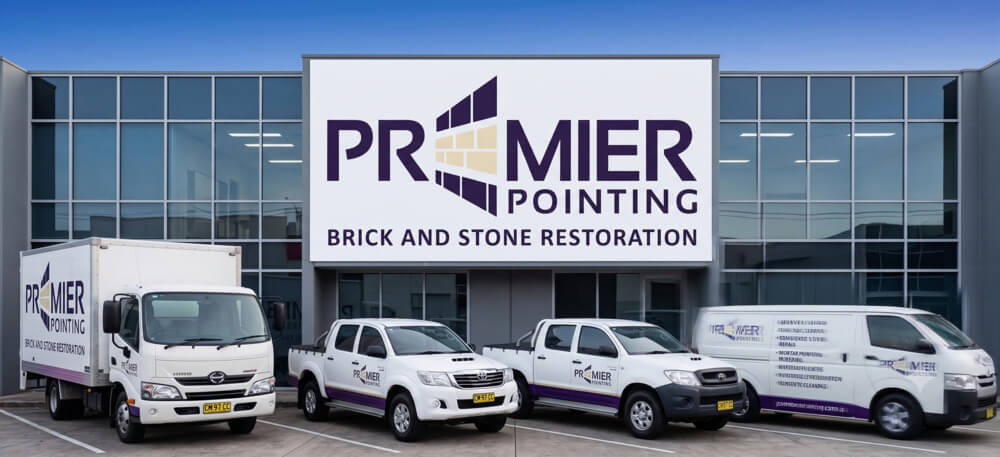
Premier Pointing provides heritage brick restoration and sealing services in Sydney, New South Wales, specialising in the preservation of aging masonry structures. We assess your brickwork’s condition, identify appropriate treatments, and apply penetrating sealers that protect without compromising the wall’s ability to breathe.
Whether you manage a heritage-listed terrace, a mid-century brick home, or a commercial masonry building, we match the sealer chemistry and application method to your specific substrate and exposure conditions. Our approach starts with understanding what your masonry needs, not selling a one-size product.
Contact Premier Pointing for a professional assessment. We’ll tell you if sealing is the right solution – or if your brickwork needs repointing, repair, or cleaning instead. Protect your investment with advice backed by heritage restoration experience.
Frequently Asked Questions
What is the best brick sealer available in Australia?
The best brick sealer depends on your brick type and exposure. For modern wire-cut bricks, a penetrating silane/siloxane blend offers deep water repellency and UV stability. Heritage masonry requires breathable silicate treatments that allow moisture vapour transmission. No single product suits every substrate – matching sealer chemistry to brick porosity and wall assembly determines performance.
How much does it cost to repoint brick in Sydney?
Repointing costs vary with wall height, access difficulty, mortar type, and the extent of damage. Heritage properties requiring lime mortar and hand-matched sand typically involve different considerations than standard cement repointing. Scaffolding, heritage approvals, and preparatory repairs all affect the final figure. Request a site inspection for an accurate assessment – pricing without seeing the wall’s condition often leads to disputes.
Is spalling brick covered by insurance?
Standard building insurance typically excludes gradual deterioration and maintenance-related damage. Spalling caused by freeze-thaw cycles, rising damp, or poor drainage usually falls under maintenance, not sudden accidental damage. If spalling results from an insured event – storm damage, a burst pipe, or fire – coverage may apply. Review your policy’s specific exclusions and consult your insurer before assuming coverage.
What does repointing bricks mean?
Repointing means removing deteriorated mortar from brick joints and replacing it with fresh mortar matched to the original in strength, colour, and composition. The process restores structural integrity, prevents water penetration, and maintains the wall’s appearance. Heritage repointing uses lime-based mortars softer than the brick, allowing moisture to escape through joints rather than spalling the brick faces.
What is the best way to seal brick?
The best method depends on brick type and condition. Penetrating sealers applied by brush or roller in multiple thin coats provide the most reliable protection for Australian climates. Clean and dry the surface completely, test the sealer on an inconspicuous area first, and apply during stable weather conditions. Avoid film-forming sealers on heritage masonry – they trap moisture and accelerate spalling.
Finding the best brick sealing Sydney near you isn’t about choosing the closest contractor or the cheapest quote. It’s about working with specialists who understand your masonry’s specific needs and apply treatments that protect rather than damage. Premier Pointing brings heritage restoration expertise to every project, ensuring your brickwork receives appropriate care that lasts.