
How to choose between repointing and tuckpointing for brick restoration? Choosing between these techniques depends on whether you need a functional mortar repair or a historically accurate decorative finish. Repointing replaces failed mortar to restore weatherproofing and structural integrity. Tuckpointing adds a colour-matched base mortar and a fine contrasting fillet to recreate the crisp, uniform joint lines typical of Victorian and Federation brickwork.
Most Sydney heritage properties require repointing to address deteriorated joints and moisture penetration. Tuckpointing becomes necessary when the original decorative tuck lines are a defining visual feature of the facade, and their loss would diminish the building’s architectural character. The techniques serve different purposes, though contractors sometimes use the terms interchangeably.
Key Takeaways
- Repointing repairs failed mortar to restore weatherproofing and structural integrity
- Tuckpointing recreates the decorative fillet lines found on many Victorian and Federation facades
- Heritage brickwork often requires softer lime mortar rather than hard cement mixes
- Tuckpointing typically costs more due to colour matching and hand finishing
- A test panel confirms the proposed method matches surviving original work
What Each Technique Actually Does
Repointing is a straightforward repair process. Deteriorated or failed mortar joints are raked out to a depth of roughly 20 to 30 millimetres, then refilled with fresh mortar matched to the original strength and composition. The new mortar seals the wall against driving rain, stops moisture creeping into the cavity, and prevents frost and salt damage from accelerating. Properly done repointing can extend a wall’s life by decades.
Tuckpointing goes a step further. The joint is first filled with a coloured base mortar that matches the brick tone, often making the bricks appear continuous. A narrow contrasting fillet, usually pale putty or fine mortar, is then applied by hand along the centre of the joint to create the illusion of fine, precise pointing. This decorative finish was common on higher-status buildings in the nineteenth and early twentieth centuries, and it gives facades a crisp, uniform appearance even when the bricks vary in colour.
The confusion arises because Australian tradespeople sometimes describe any decorative or neatly finished repointing as “tuckpointing”, even when no contrasting fillet is involved. Before accepting a quote, ask the contractor to show you a sample panel or photographs of the proposed finish so you know exactly what technique they intend to use.
When to Choose Repointing
Repointing is the right choice when your main objective is repairing damaged mortar and preventing further deterioration. If joints are recessed, cracked, powdery, or missing entirely, the wall is vulnerable to water ingress. Moisture tracking through failed joints leads to salt migration, spalling brickwork, and in severe cases, corrosion of cavity ties and lintels. Replacing the mortar restores the wall’s first line of defence.
Most heritage buildings in Sydney never had a decorative tuck finish. Simpler working-class terraces, warehouses, and utility structures were pointed with plain flush or recessed joints. In these cases, standard heritage repointing with a lime-based mortar appropriate to the brick strength is both historically accurate and economical.
Repointing also makes sense when large areas of masonry require intervention. Tuckpointing is slow, precise work that becomes prohibitively expensive on extensive facades. If the building’s character does not depend on fine joint detail, plain repointing delivers durability without the added labour and material cost of the decorative fillet.
| Situation | Recommended technique |
|---|---|
| Cracked, recessed or missing mortar joints | Repointing with lime mortar |
| Original plain flush or recessed joint finish | Repointing |
| Visible tuck lines on Victorian or Federation facade | Tuckpointing to match original |
| Extensive area requiring economical repair | Repointing |
| Prominent facade with decorative character | Tuckpointing where budget allows |
When Tuckpointing Is Necessary
Tuckpointing becomes the appropriate choice when the original decorative fillet lines are an integral part of the building’s architectural expression. Many Victorian and Federation terraces, particularly those built for middle-class owners, feature tuckpointing on street-facing walls. The fine contrasting lines create visual uniformity and suggest precision craftsmanship. Removing that detail and replacing it with plain flush joints changes the facade’s character and can reduce heritage value.
If traces of the original tuck lines survive, pale putty ridges visible in sheltered areas such as under eaves or behind downpipes, then replicating the finish accurately preserves the building’s authenticity. Heritage conservation guidelines often specify matching the original joint profile and colour when repairs are undertaken on listed or contributory buildings.
Tuckpointing requires a skilled mason capable of colour-matching the base mortar to the brick tone and applying the contrasting fillet cleanly by hand. The work is slower and more expensive than standard repointing, but the visual result justifies the additional investment on prominent heritage facades. Owners should expect higher labour charges and confirm the contractor has demonstrable experience with the technique before proceeding.
Not every building warrants the expense. A rear courtyard wall or a service elevation rarely requires decorative pointing, and directing the budget toward structural repairs and weatherproofing delivers better long-term value. Focus tuckpointing on visible elevations where the original detail is historically significant and where its loss would be conspicuous.
What Drives Cost and Complexity
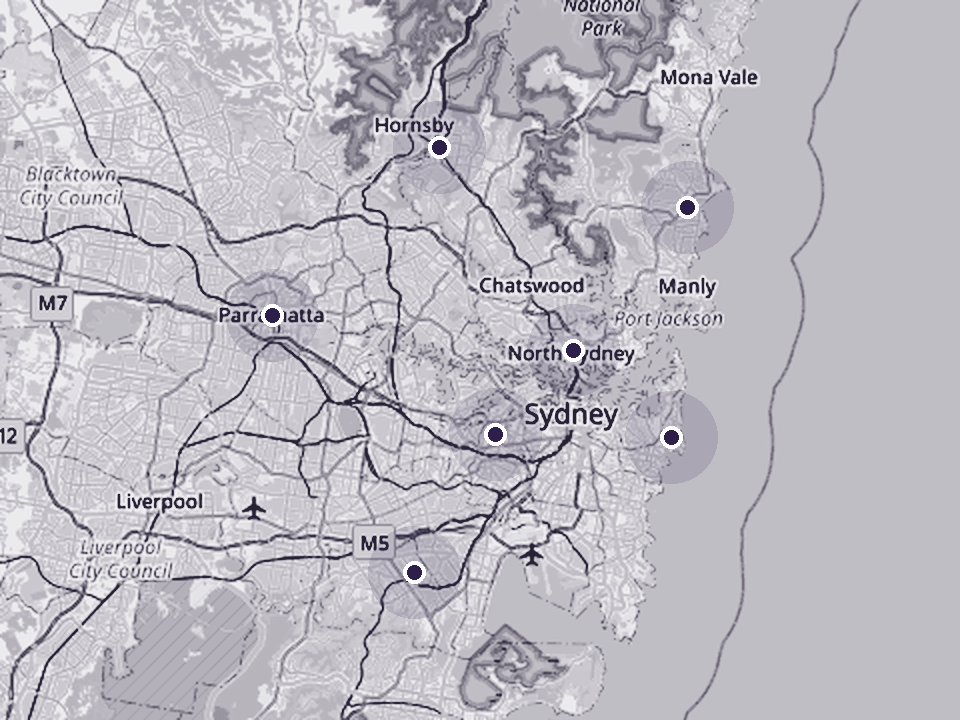
The single largest cost variable is access. Two-storey terraces in Sydney’s Eastern Suburbs typically require scaffolding, which adds substantially to the project total. Scaffold setup, certification, and removal can represent a significant proportion of the final bill. Upper-storey work also slows the mason’s pace and increases safety compliance requirements.
Mortar specification matters. Heritage brickwork built before the 1930s was usually bedded and pointed in lime mortar, which is softer and more vapour-permeable than modern cement-based mixes. Using a compatible lime mortar prevents the risk of trapping moisture and spalling softer bricks. Lime mortar costs more than standard cement-sand mix, and it requires longer curing times. Specialist restoration mortars with pigment matching, laboratory testing, or on-site colour trials add further cost.
Brick condition affects the scope of work. If the bricks themselves are spalling, cracked, or salt-damaged, those units must be cut out and replaced with matched bricks before repointing can proceed. Finding Federation-era bricks of the correct size, colour, and texture can be difficult and expensive. Preparation work such as careful hand raking of joints rather than aggressive grinder removal also increases labour time but reduces the risk of damaging fragile masonry.
Tuckpointing inherently costs more than plain repointing because it involves two distinct mortar applications: the colour-matched base and the contrasting fillet. The fillet must be applied cleanly by hand, often using a narrow featheredge trowel, and the base mortar must be compatible with the brick so the joint appears seamless. That precision takes time and skill.
Ready to Restore Your Heritage Brickwork?
Premier Pointing works exclusively on heritage brick and stone restoration across Sydney and New South Wales, with over 30 years of accumulated experience in the craft. The team understands the specific challenges of matching historic mortar, preserving decorative joint finishes, and ensuring repairs last decades rather than years. Whether your building requires straightforward repointing to address failed joints or specialist tuckpointing to recreate original detailing, the approach is the same: careful assessment, appropriate materials, and proven technique. Get in touch to discuss your project and arrange an inspection.
Frequently Asked Questions
What is the difference between repointing and tuckpointing?
Repointing replaces deteriorated mortar to restore weatherproofing and structural integrity. Tuckpointing adds a colour-matched base mortar and a fine contrasting fillet to recreate the decorative joint lines found on many Victorian and Federation facades. Both techniques repair joints, but tuckpointing includes an additional decorative finish.
What are some common mistakes people make when repointing brickwork?
Using a cement mortar that is harder than the original bricks traps moisture and causes spalling. Raking joints too shallow prevents proper adhesion. Grinding out joints with power tools damages brick edges. Failing to match the original mortar colour and texture produces a patchy, conspicuous repair. Rushing the curing process weakens the bond.
How often does a brick house need repointing?
Well-executed lime mortar pointing in sheltered locations can last 60 to 80 years or longer. Exposed walls subject to driving rain, salt-laden coastal air, or freeze-thaw cycles may require repointing every 30 to 50 years. Regular inspection catches early deterioration before water ingress causes structural damage.
How much does brick pointing cost?
The business is legally barred from advertising prices. Repointing and tuckpointing depend on wall height, mortar condition, brick type, access requirements, and heritage specifications. Contact a licensed specialist for an inspection and a detailed written quote based on your building’s specific needs.
How to mix mortar for repointing heritage brickwork?
Heritage lime mortar typically uses a ratio of one part aged lime putty to two or three parts well-graded sharp sand, with natural pigments added to match the original colour. Mix small batches by hand or with a slow-speed mixer to avoid over-working. Laboratory testing of existing mortar guides the specification for complex restoration projects.
Choosing between repointing and tuckpointing depends on the building’s condition, its historical significance, and your objectives for the work. Repointing repairs failed mortar and restores weatherproofing, making it the default intervention for most heritage masonry. Tuckpointing recreates the decorative fillet lines that define the visual character of many Victorian and Federation facades, and it is the appropriate choice when that detail is integral to the building’s architectural value. Both techniques demand careful mortar selection, skilled execution, and an understanding of how historic brickwork behaves. A test panel, clear communication with the contractor, and a realistic budget ensure the finished work respects the building’s heritage while delivering the durability it needs.


